


Education Sector Looks To Budget 2026 For Execution Push, Not New Promises

Share
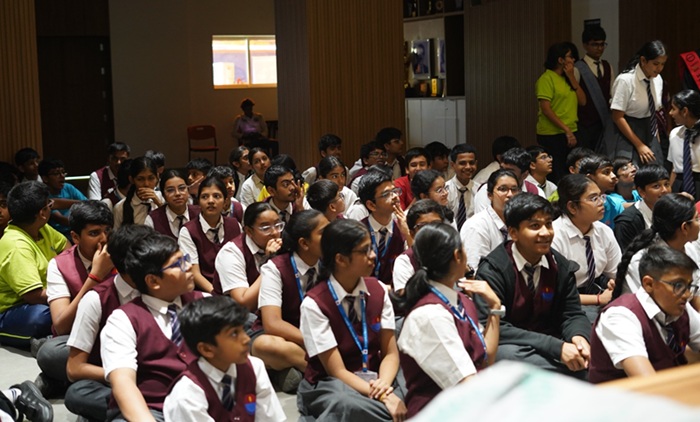
India’s educational system did not introduce major policy changes during 2025 but went through a period of consolidation. The National Education Policy implementation received dedicated funding for digital infrastructure development and skill training and teacher development programs. The Union Budget 2025 maintained funding for essential programs which included PM SHRI schools and Samagra Shiksha and digital programs such as DIKSHA and AI training programs and industry-focused higher education initiatives. The government announced that all foundational work had been completed so that the next phase could begin which involved expanding operations while maintaining high standards of performance.
The education sector anticipates Union Budget 2026 to provide more extensive budget implementation. The stakeholders request specific funding which will enhance educational outcomes while providing learning opportunities to rural areas and connecting academic programs with employment needs and technological advancements and business development. From universities and edtech firms to gig economy platforms and skill providers, voices across the ecosystem are calling for practical support rather than sweeping reforms. They present their pre-budget recommendations which outline their preferred educational funding and policy direction for upcoming government spending.
Vikas Singh, Chief Growth Officer, Mohan Babu University
“As we look ahead to Budget 2026, the focus should be on strengthening the entire education value chain so it meaningfully supports India’s growth story. Beyond funding, we need targeted investment in technology-enabled learning, skill integration across programmes, and initiatives that bridge academia with emerging industries. Prioritising scalable digital platforms, student-centric financing, and regional education clusters will help democratise access and ensure graduates are ready for tomorrow’s opportunities.”
Nirvaan Birla, Managing Director of Birla Open Minds Education Ltd
“The upcoming budget is a golden opportunity to fuel India’s journey toward becoming a global talent powerhouse. By deepening the focus on teacher empowerment, we can turn the vision of the National Education Policy into a reality. The future belongs to a nation that invests in its learners today, ensuring every student has the tools to thrive in a digital-first world. As we head into #Budget2026, there’s a lot to feel positive about. The intent around digital learning, AI readiness, skills-embedded education and innovation is clear there, and with over 2 lakh recognised startups, the capacity to execute also exists.”
Vishnu Manchu, Pro Chancellor, Mohan Babu University
“For higher education, the Budget should focus on what actually improves outcomes on campus. This includes better teaching quality, upgrading everyday academic infrastructure, and keeping programmes aligned with how industries are evolving. Greater support for faculty development, research, and innovation is equally important, especially for universities that are building strong regional and national impact. The Budget can also play a role in making education more accessible through scholarships and technology-enabled learning. If universities are empowered at the ground level, the long-term benefits for students and the economy will follow.”
Mythri Kumar, Co-Founder, TimBuckDo
“As India stands at the threshold of its next phase of economic transformation, the Union Budget 2026 must be forward-looking, inclusive, and growth-centric. For the gig economy, a vibrant engine of flexible work and entrepreneurship, this Budget should deliver concrete social security and fiscal incentives that recognise the unique nature of platform-based work. Extending benefits like portable social security cover, healthcare access and tax relief for gig workers will help formalise and empower millions who contribute significantly to India’s digital-first workforce.
We also believe that meaningful tax reforms and relief for individuals and businesses including revisiting income tax slabs and enhancing deductions can boost consumer confidence and stimulate demand across sectors. Affordable housing and real estate incentives remain critical to broad-based economic growth, and reforms in this segment will support job creation and household investment. In sum, Budget 2026 should not just balance the books; it must anchor India’s competitive edge, enhance workforce welfare, and unlock opportunities for all segments of the economy, keeping the nation on a sustainable growth trajectory towards its long-term vision.”
Siddharth Banerjee, CEO, Univo Education
“As we approach Budget 2026, we welcome the Government of India’s continued focus under NEP 2020 on improving the quality, credibility, and outcomes of higher education. With India’s youth forming the world’s largest demographic cohort, investment should focus on building skilled talent, accelerating digital transformation, and strengthening institutional capacity to leverage this dividend.
Targeted investments in digital infrastructure can expand high-quality online education at scale, while deeper academia–industry collaboration will ensure curricula remain job-linked and future-ready. This forward-looking budget that embeds AI across the education ecosystem will be critical to developing globally competitive institutions and future-ready talent. Strengthened digital infrastructure will also help online degree programs move firmly into the mainstream, supporting India’s Gross Enrollment Ratio target of 50% by 2035 and advancing the vision of a Viksit Bharat.”
Dilip Gangaramani, Founder Director and CEO, Target Learning Ventures
“As we approach the Union Budget for 2026–27, the education sector stands at the point of transformative change, driven by advancements in technology and artificial intelligence. We expect a significant push towards integrating these innovations into classrooms, as per NEP directives, ensuring students are equipped with the skills to thrive in a digital world.
The budget should prioritise developing robust digital infrastructure and introduce new-age courses like drone technology, AI, 3D printing and design, robotics, app development and sustainable technologies. These courses will equip students with practical knowledge and critical thinking skills, preparing them for future career opportunities.
The focus should not only be on technology but also on empowering educators to integrate modern tools into their pedagogy. Lastly, there’s a need for play-based educational tools that extend beyond academics, fostering children’s safety awareness and life skills. Age-appropriate, experiential learning models can help children understand personal safety and navigate real-world challenges. We hope the budget reflects a commitment to integrating these holistic approaches, ensuring a well-rounded education that nurtures cognitive, emotional, and social development.”
D L Prachotan, Co-Founder and Head of Business Development, Bhanzu
“I personally believe that India’s entrepreneurial landscape has transformed dramatically in the last few years. We are transitioning from job seekers to job creators. This shift in mindset is one of the greatest achievements of our economic and start-up policy framework.
As India awaits the next budget, my expectation is that the government will double down on enabling this momentum, where we not just create more opportunities for Indian entrepreneurs but also build strong ecosystems that attract global talent. I believe we as a country are ready to have the best minds of the world who choose to make in India.”