


World Day Of Social Justice: How Schools Must Nurture Fairness & Empathy From An Early Age

Share
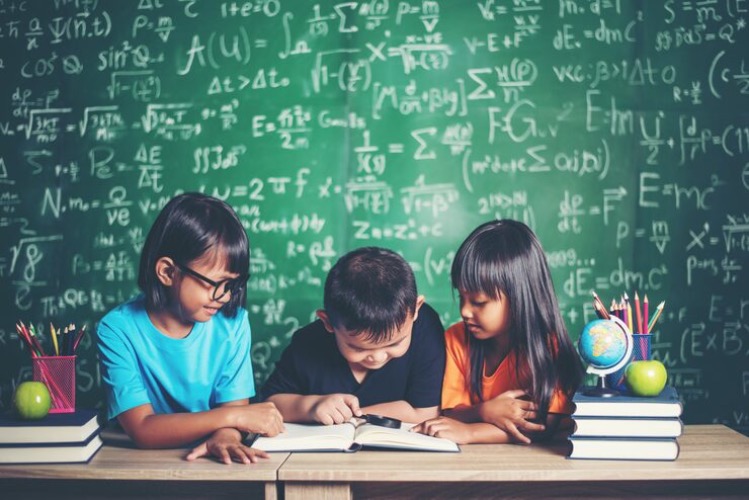
The World Day of Social Justice demonstrates that justice requires continuous efforts by people to work together throughout their existence. As Martin Luther King Jr. rightly said, “Intelligence plus character – that is the goal of true education.” True education does not end with academic excellence; it must cultivate conscience, compassion, and courage.
The creation of a just society requires us to start our work in educational settings, which serve as our essential foundation. Research in pedagogy shows that children begin understanding fairness and morality and their sense of belonging during their early years. Primary school classrooms function as more than spaces for literacy and numeracy since they serve as essential environments that help students develop their character and relationships and their understanding of ethical principles.
The educational system demonstrates its need for Soul Science educational principles, which originate from this point. Schools can achieve full student development through their daily activities, which combine mindfulness training with emotional control techniques and self-reflection practices. The process of teaching social responsibility to children requires adults to guide them in thinking about their emotions. Young children often possess an innate sense of fairness. Children need guidance through organised activities, which will enable them to learn how other people think.
Social justice education needs to extend beyond its current practice of performing symbolic discussions, which exist as educational requirement. Daily practice becomes essential for the implementation process. Schools function as miniature societies, which demonstrate systems that offer restoration through inclusion and respectful treatment of all individuals. Students should practice dialogue instead of punishment when conflicts happen between them. The community can hear all viewpoints when people have different opinions. The community takes on collective responsibility whenever obstacles arise.
Social-emotional learning programme helps students understand the difference between equality and equity. Equality offers the same resources to everyone, while equity recognises that each student may need different support to reach their learning goals. When children grasp this distinction, fairness becomes part of their daily outlook.
Through practices such as mindful breathing, compassion circles, reflective journaling and guided community engagement, the programme creates spaces that nurture fairness, courage and mutual respect. Over time, these habits aim to shape individuals who are not only academically capable but also socially aware and ethically grounded.
The World Day of Social Justice presents us with a fundamental question which requires deep consideration. Are we preparing children merely to compete, or to contribute? Education must reach its highest purpose through dual outcomes. The system needs to provide students with knowledge while developing their character for responsible knowledge application. Schools that teach empathy and fairness to students from their early years create an educational system which produces future leaders who will create a just and compassionate society.
Views are personal
The author is General Manager – Training, Birla Open Minds