


Are We Preparing Children For School Or Preparing Schools For Children?

Share
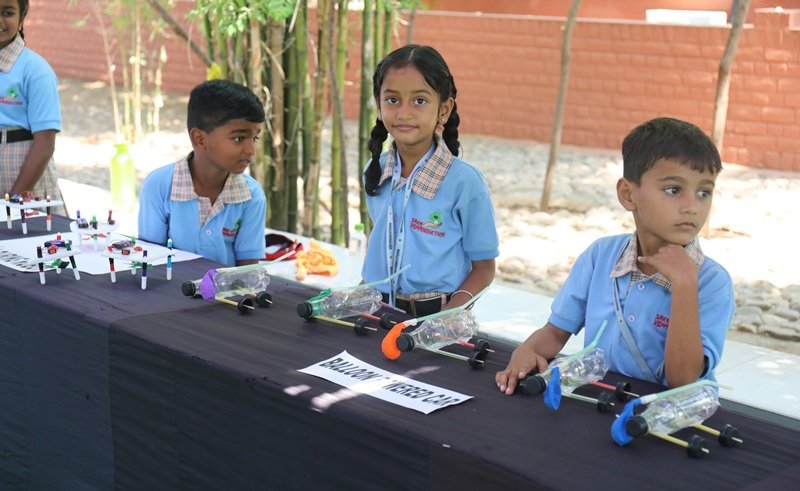
The Foundational Years (up to age 8), as the name suggests, lay the foundation for young minds to begin exploring the world. It cannot be emphasised enough how critical it is for this foundation to remain research-based.
What I mean by this is that the foundation must be rooted in an understanding of how a child develops—their psychology, a deep understanding of developmental milestones, the flexibility that learning requires, the interconnectedness of different concepts, and an authentic understanding of the child in front of the educator, as opposed to planning for an ‘invisible’ child based simply on historical data points.
This means that structure without relevance is like administering without thinking! Early years educators need to be aware of and mindful of the child in front of them—the way they move, their approach, what fascinates them, what they are hesitant about, and the preferences that emerge through different experiences and experiments. Once this understanding develops, the environment must support the unique skills and talents of that child.
This means the educator must be an all-rounder, as the early years require thorough observation and vigilance more than any other age group. An educator needs to have a proactive mind, one that can ‘sense’ discomfort before it becomes a challenge and think confidently about the choices that need to be made.
So, to answer the question, a progressive learning environment will nurture teachers who understand how children learn, enabling them to acquire information and ask more questions. For this, the environment adapts and moulds itself to the child.
The child, therefore, is at the centre of all processes, which adapt to help build a foundation of natural interest while also honing unfamiliar or unexplored skills to ‘broaden their horizons’ and gain a deeper perspective. This means the learning environment needs to evolve with the changing needs of the child.
The Foundational Years are, therefore, a launchpad for further exploration—a time to test the waters while also pushing boundaries, allowing genuine wonder to develop and creating the potential to acquire new ideas and skills.
Views are personal
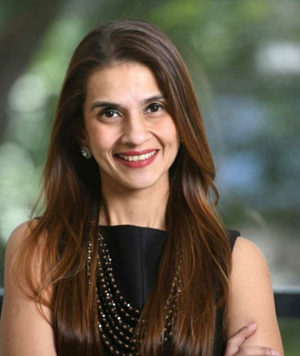
The author, Fatema Agarkar, is Educationist and Founder of Agarkar Centre of Excellence