


NEP 2020 In Action By 2026: What Has Changed Inside India’s Classrooms?

Share
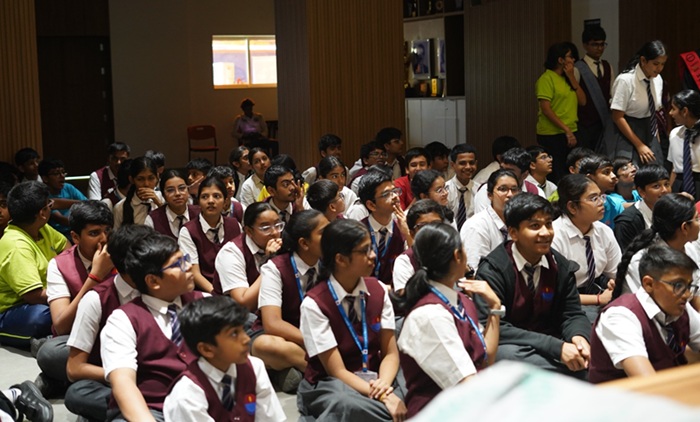
The year 2026 marks an important phase for Indian education. It marks six years since the National Education Policy (NEP) 2020 was introduced and began reshaping classrooms beyond blackboards, rigid syllabi, and exam-driven learning. The earlier 10+2 system has been replaced by the 5+3+3+4 structure, reshaping how students progress through school from early childhood to Class 12 and enabling a more seamless progression across the learning journey.
The walk through a typical Indian classroom today reveals a landscape shaped by digital equity, competency-based assessments, and a more flexible curriculum. Certainly, the policy intent to move from rote learning to competency-based education has begun translating into visible structural and pedagogical change across schools. While the implementation remains uneven, the direction is unmistakable.
The Rise of the Competency-Led Classrooms
One of the most significant shifts in classrooms has been the gradual move away from rote memorisation, with learning now centred on questioning, application, and conceptual understanding rather than simple recall. Under the National Curriculum Framework for School Education (NCF-SE), textbooks have been rationalised to focus on core concepts, creating space for critical thinking and overall development.
The SAFAL (Structured Assessment for Analysing Learning) framework is now operational for Classes 3, 5, and 8, focusing on diagnostic evaluation to track students’ conceptual clarity. This approach, supported by the PARAKH National Assessment Centre, enables more consistent mesurement of learning outcomes across boards and emphasizes how students apply knowledge rather than merely how much they remember.
Digital Equity Takes Shape in Classrooms
The classrooms today reflect a steady move towards blended learning, where digital models support day-to-day teaching rather than being on the sidelines. This trend has gained pace following the hike in education spending in the Union Budget 2026–27 to ₹1.39 lakh crore, with a clear focus on digital skilling and ensuring equitable access to technology for students across regions and socio-economic groups.
This has increased the number of schools able to utilise DIKSHA and similar platforms to access curriculum-related resources across locations. In addition, the Budget’s focus on Yuva Shakti has led to increased investment in virtual labs and skill hubs, helping students move beyond basic familiarity with technology. These programmes provide opportunities to engage in hands-on experience and apply the knowledge they acquire in school.
Bridging the Foundational Gap
The classroom of 2026 reflects a pronounced emphasis on foundational learning under the NIPUN Bharat Mission, aligned with its goal of achieving universal foundational literacy and numeracy for children aged 3 to 9 years by the academic year 2026–27. Consistent with this goal, early-grade classrooms increasingly integrate playful learning, with initiatives such as Jaadui Pitara encouraging activity-based and hands-on approaches. Anganwadis co-located with primary schools have eased the transition for young learners, strengthening the integration of Early Childhood Care and Education across the school system, as the vision of the NEP 2020 envisages.
Teachers at the Centre of Reform
NEP’s success hinges on teachers, and classrooms increasingly reflect this reality. Continuous professional development has become more structured, with online and hybrid training programmes replacing one-time workshops. Teachers are being trained in blended pedagogy, assessment literacy, and student well-being, aligning teaching practices with evolving classroom needs.
The 2026–27 Union Budget also announced teacher capacity-building initiatives, including upgrading State Councils of Educational Research and Training institutes for teachers. This reflects the recognition that teacher training must evolve alongside educational reforms.
Multilingual and Inclusive Classrooms
There is a growing preference for the medium of instruction, especially in the early grades, to be the home language or mother tongue. Schools use bilingual teaching-learning materials for an easy transition to English or any other language of instruction without compromising understanding. At the same time, inclusion has moved closer to classroom practice through assistive technologies, flexible curricula, and differentiated instruction that improve access for diverse learners.
Vocational Integration and Global Readiness
Classrooms in 2026 are increasingly connected to the world beyond school, with vocational education becoming an integral and structured part of learning. Exposure to skills now begins in Class 6, where students take part in 10-day bagless periods to engage with local trades and practical work. This growing link between education and employment is reinforced in the Union Budget 2026–27, which outlines the set-up of a standing committee to better align school-level skilling with the changing needs of the service sector and emerging job markets.
For higher education students, the Academic Bank of Credits (ABC) system provides a more flexible way to learn through multidisciplinary subject combinations aligned with the individual interests and aspirations, something that was not common a decade ago.
Conclusion: Progress, With Purpose
The impact of the NEP 2020 in 2026 is evident in the steady refinements to classroom practices, pedagogical methods, and student engagement with the curriculum. While disparities persist between regions and school systems, particularly with regard to digital access and teacher competencies, it is clear that classrooms have undergone considerable change since 2019.
The policy now enters a phase in which execution matters more than intent. The consistency with which these policies are implemented across states, school boards, and classrooms will define their success and shape the long-term trajectory of Indian education policy.
Views are personal
The author is CEO, AASOKA (A part of MBD Group)