


Students Need to Work With AI, Not Compete With It: Ayush Kumar, MD, NDIM

Share
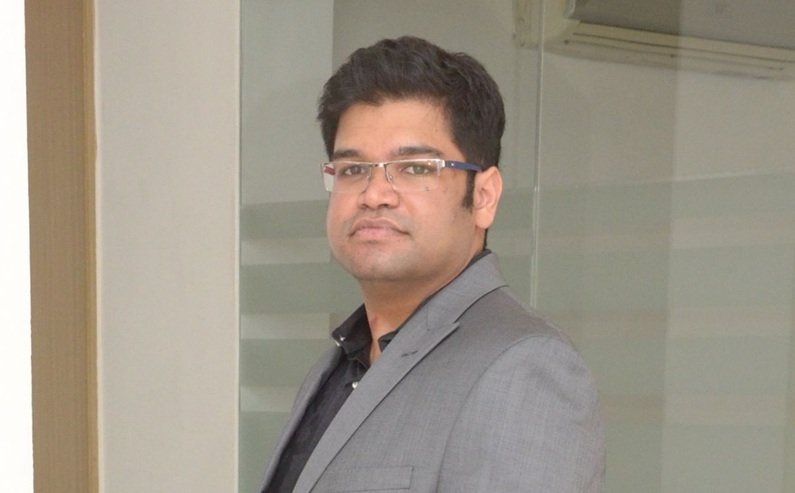
Management education in India is changing, but not at the same pace everywhere. Policies have set the direction, but inside classrooms, the shift is still uneven. Some colleges are trying to bring in real-world exposure. Many others are still stuck in theory.
That gap is now showing up where it matters most. Jobs. In a conversation with EduKida, Ayush Kumar, Managing Director at New Delhi Institute of Management (NDIM), puts it plainly. “The intent is right, but the execution is patchy,” he says, referring to the push for skill-based learning under the National Education Policy.
Across campuses, the change is visible, but only in pockets. A few institutes have begun bringing in live projects, case studies and industry exposure. But a large part of the system still leans on classroom theory and exam-focused learning. “The real shift is not just in curriculum, it is in mindset,” Kumar says. “You have to move from teaching for marks to preparing students for real situations.”
That disconnect is also at the heart of a long-standing complaint from employers. Graduates are not job-ready.
Kumar does not disagree. He says most students come out with basic knowledge, but struggle when asked to apply it. “Companies are not hiring degrees anymore. They are hiring people who can think, solve problems and adapt,” he explains. The problem, he adds, starts early. Limited exposure to real work environments leaves students unsure and underprepared.
Internships were meant to fix that. But here too, the quality varies.
“Many internships become a formality,” Kumar says. “If there is no structure or responsibility, students don’t really learn.” He argues that industry exposure has to be built into the course, not added at the end as a checklist item. The focus, he says, should shift from how many internships a student completes to what they actually take away from them.
The question of degrees often comes up in this context. Are they losing value?
Kumar sees it differently. “Degrees are not the problem. The way they are designed is,” he says. A degree still gives structure and credibility, but in today’s job market, that is not enough. Courses that remain static while industries change will naturally lose relevance.
This becomes more visible at the undergraduate level. BBA and similar programmes, he says, need a reset. “They should not just introduce concepts. They should prepare students for work from day one.” That means bringing in projects, internships, and basic business exposure early, instead of waiting for postgraduate courses.
Technology is adding another layer to this shift. With AI entering almost every sector, management graduates are expected to understand data, tools and digital systems alongside business basics.
Kumar’s view is clear. “Students don’t need to compete with technology. They need to learn how to work with it.” Skills like data understanding, analytical thinking and decision-making are becoming essential. At the same time, he points out, human skills such as communication and judgement are becoming even more important.
Colleges, however, are still catching up. Some have started integrating analytics and digital tools into courses. Many are yet to move beyond the basics.
The same uneven pattern shows up in how colleges work with industry. Guest lectures and placements continue, but deeper collaboration is still limited. “Real change happens when industry helps design courses, mentors students and stays involved through the year,” Kumar says.
The National Education Policy has tried to address some of this by allowing more flexibility in courses. But that, too, is a work in progress. “Flexibility without guidance can confuse students,” he says. Institutions, he argues, need to help students make better choices instead of leaving them on their own.
Beyond corporate jobs, another shift is underway. More students are looking at startups, freelance work and independent careers. Management education, Kumar says, has to reflect that reality. “Students should be ready to create opportunities, not just look for them.”
Hiring patterns are already moving in that direction. Companies are focusing less on marks and more on skills. “In the next few years, you will see more project-based hiring and roles that keep changing,” he says.
For students, the takeaway is simple. Marks alone will not carry them far. Skills and real exposure will.
For colleges, the message is sharper. The system does not need another policy push. It needs faster execution.
edukida.editorial@gmail.com