


Delhi University Announces Satellite Launch and Free Lunch Scheme

Share
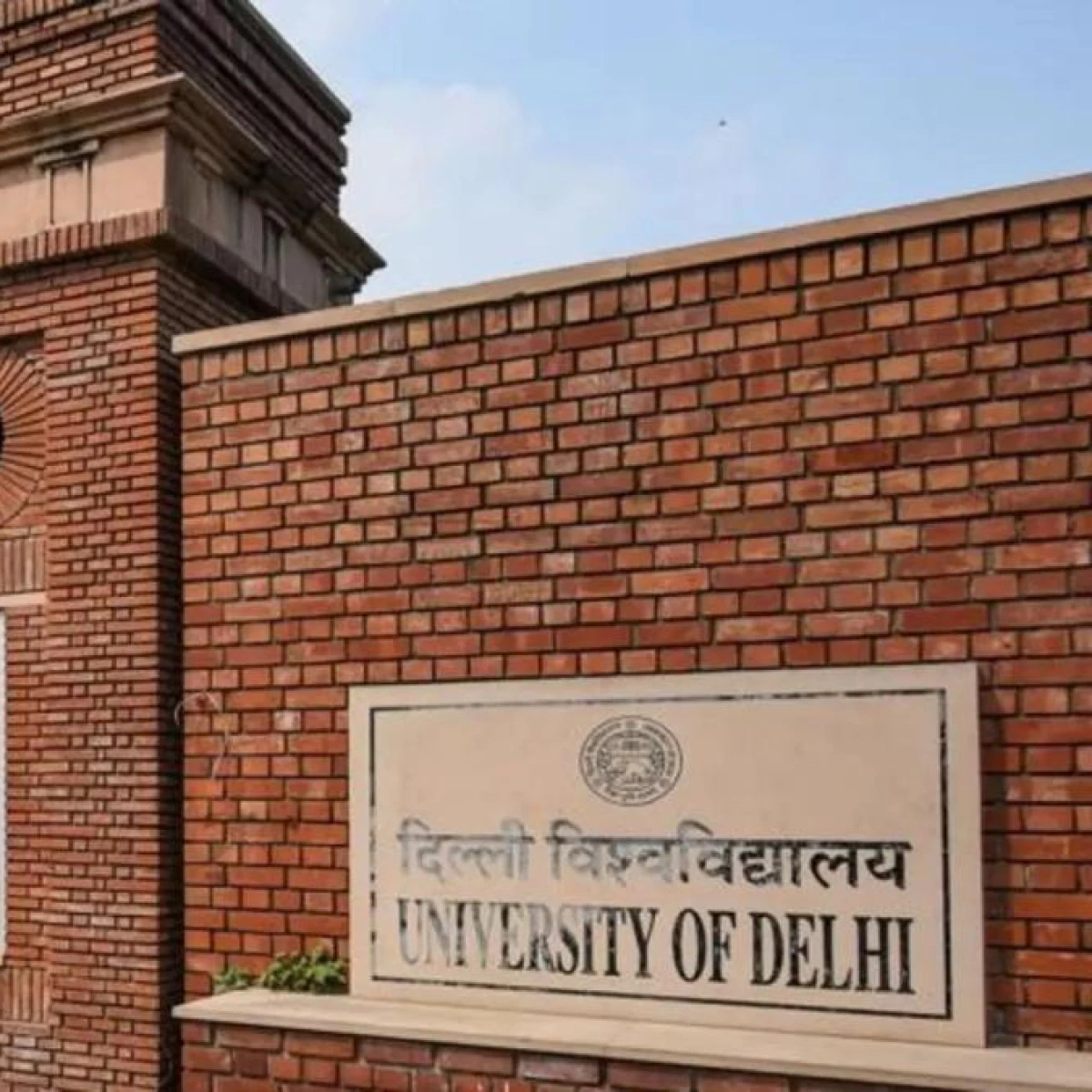
Delhi University has today outlined its roadmap to the future with several innovative initiatives toward making the university environmentally friendly, student-friendly, and academically competitive. In keeping with its Institutional Development Plan 2024, the DU has mapped out several goals it wants to achieve-the extent to which many of these projects reflect the very essence of innovation and sustainability within the campus of this prestigious seat of learning.
One of the most prominent projects is launching DU’s satellite. The DU proposed satellite system is primarily aimed at contributing significantly toward scientific research, telecommunications, GPS navigation, and remote education. Of course, this project is still in the planning phase, and the university is aware that financial constraints might be an issue. In that case, DU has agreed to take services from other organizations like ISRO to implement this plan. This satellite venture is going to add scientific credentials to the university while establishing it as a hub of modern research .
In the wake of an increasingly worldwide interest in the concept of ecological responsibility, DU has marked its target of becoming a zero-emission campus. Restriction of fossil fuel vehicles and introduction of electric vehicles in the campus. Electric vehicles would be introduced gradually in key areas that are more popularly visited, such as Chhatra Marg, to give a green environment for students and faculty working there. This would significantly reduce the carbon footprint of the university and serve as a model for others to follow.
The university is also going to announce its free lunch policy for poorer students. This will enable students to get free lunches in lieu of work offered at the university so that no student is deprived of education due to an empty stomach. The universities will co-sponsor local self-help groups to offer food procurement from the canteens for the support of both student welfare and local communities. In addition, canteens will have stringent safe requirements about food for the students’ health and well-being.
Besides, DU is considering launching a “University Haat” similar to that in other foreign universities. Here, the Haat would be a trading space for putting up and selling products created by start-ups led by students. This has opened a great market for these ventures as the campus has almost six lakh people. It also provides them an entrepreneurial experience.
The university will also establish a “University Alumni Angel Network,” where successful alumni can mentor and provide financial support to student start-ups. It is also proposing reverse internships where students will have the opportunity to hire industry professionals for practical learning. Lastly, the IDP intends to set up a Chair for multinational companies that should help with research topics of interest for these companies.
These ambitious plans are now being considered by the Academic Council at present, and it is quite evident that this will be a serious commitment of DU towards shaping a futuristic sustainable future for its students.