

Manipal University Gets BSL-3 Lab Nod, Boosts High-risk Research Capacity in India

Share
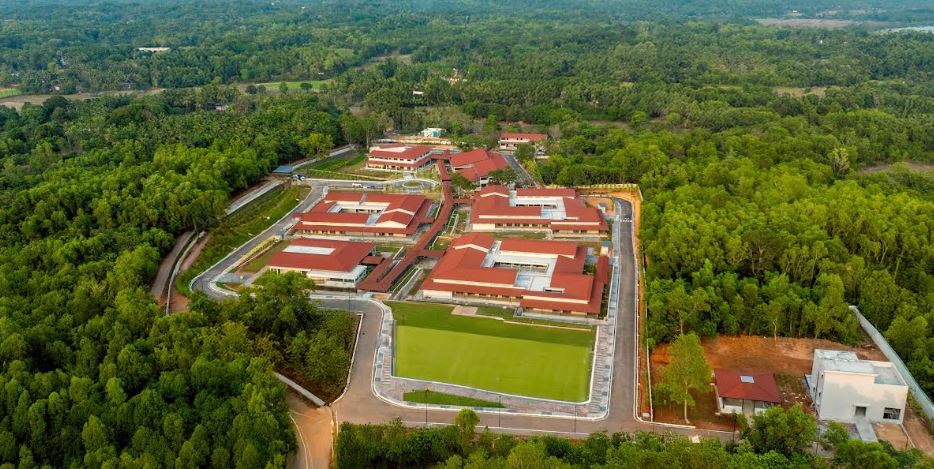
Manipal Academy of Higher Education has secured certification for its Biosafety Level-3 (BSL-3) laboratory, marking a key step in expanding India’s capacity for high-containment research.
The certification, granted by the Department of Biotechnology, allows the university to work on high-risk and airborne pathogens under strict safety conditions. It also strengthens its role in research, diagnostics and training in infectious diseases.
The facility is built with advanced containment systems, including negative pressure rooms, controlled airflow, HEPA filtration and restricted access. The certification followed a detailed review of lab design, safety protocols, staff training and emergency preparedness.
The lab has been developed under the leadership of Chiranjay Mukhopadhyay, with support from multiple institutions within the Manipal ecosystem. It is expected to bring together researchers across microbiology, virology, public health and clinical sciences.
Officials said the facility will be used for work such as pathogen isolation, diagnostics, vaccine and drug research, and studies on disease transmission. It will also support training in biosafety and outbreak response.
Pro Chancellor H. S. Ballal called it a defining moment for the institution, adding that such facilities are still limited within private universities in India.
Vice Chancellor M. D. Venkatesh said the lab will allow researchers to take up critical work on emerging diseases, while strengthening the country’s overall preparedness.
With this, MAHE joins a small group of institutions in India equipped with certified BSL-3 labs, at a time when demand for high-containment research infrastructure continues to grow.