

Beyond Rote Learning: A First Look at the New Grade 9 Journey

Share
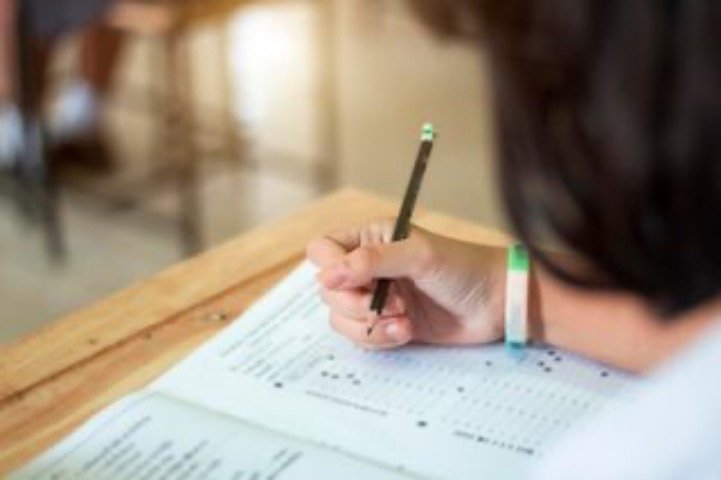
For decades, the Indian school experience for a 14-year-old could be summed up in one word: memorize. From the longitudes of Geography to the formulas of Physics, the goal was to store information and offload it onto a Friday morning exam paper.
But starting with the 2026-27 session, that “pressure cooker” model is getting a major software update.
The new NCERT Grade 9 syllabus isn’t just a list of new chapters—it’s a shift in philosophy. It’s moving away from telling students what to think, and starting to teach them how to think. Here is what the new school day is going to look like.
Science: No More “Just Because the Book Said So”
Remember memorizing the parts of a cell? In the new syllabus, Biology isn’t a list of parts; it’s a story of how life works. Students will look at how recent medical breakthroughs actually happen.
The Change: Physics and Chemistry are being pulled out of their “silos.” Instead of learning them as separate, scary subjects, students will see how they overlap—like how the chemistry of a battery powers the physics of a car.
The Indian Connection: It’s not just Western science anymore. The syllabus finally carves out space for India’s own scientific journey, from ancient knowledge systems to the engineers behind the latest space missions.
Math: Removing the “Math Phobia”
The biggest news in the hallway is the move toward two levels of Math. Recognizing that not every student wants to be an astrophysicist, the new system offers a “Proficiency” level for everyone and an “Advanced” level for those who love the deep dive.
Real Life: You won’t just solve for ‘X’. You’ll learn how to use Math to understand the world—like calculating the cost of a home loan or understanding the data behind climate change. It’s about “Mathematical Thinking,” not just long-division.
Social Science: Building Citizens, Not Historians
History and Geography are often the subjects where students “tune out.” The new framework tries to fix this by making it local and relevant.
The Core: Instead of just dates of battles, the focus is on why things happened. It asks students to look at their own communities.
Sensitivity: There is a much bigger focus on being a “good human.” Lessons are built around inclusivity, diversity, and understanding how our daily choices—like what we buy—impact the planet.
The “Hidden” Life Skills
The most “human” part of the new syllabus is what used to be called “extracurriculars.”
Wellness & Arts: These are no longer “free periods” where you go play if the teacher is absent. They are now core parts of the day. There’s a new focus on mental well-being, helping 9th graders navigate the emotional rollercoaster of being a teenager.
Vocational Skills: Students will get a taste of real-world jobs—from coding to local crafts—long before they have to pick a college major.
The Verdict: A Lighter Bag, A Sharper Mind?
The common thread through all 84 pages of the new draft is Assessment. The “Big Final Exam” is losing its power. Teachers are being encouraged to grade students on projects, group discussions, and “thinking out loud.”
The goal is simple: to make sure that when a student walks out of Grade 9, they don’t just have a folder full of certificates—they have a mind that is actually ready for the 21st century.
The takeaway for parents? Don’t ask your child “How much did you score?” Ask them, “What did you figure out today?”