


CBSE Revokes Jaipur’s Neerja Modi School Affiliation

Share
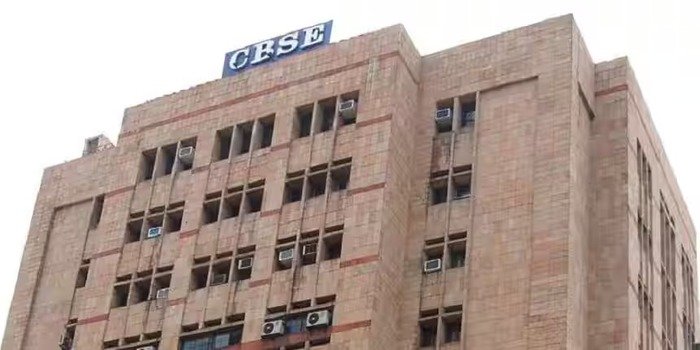
The Central Board of Secondary Education (CBSE) has officially abandoned the cooperation of Neerja Modi School in Jaipur following the woeful self-murder of a fourth-grade pupil, citing multiple violations of regulations and setbacks in child safety measures. The decision highlights the significance of strict adherence to educational laws and safety morals in seminaries, and it underscores the responsibility of educational institutions for the weal of their scholars.
The advertisement came after CBSE conducted a detailed examination of the academy demesne and executive records in the wake of the incident. The inquiry revealed several serious scarcities, including non-compliance with child safety norms, setbacks in monitoring and supervision, and violations of cooperation rules. The board noted that these failings directly risked the scholars and contributed to an unsafe literacy terrain.
Authorities emphasized that the cancellation of cooperation is a measure of last resort, reflecting the board’s commitment to securing scholars. CBSE has constantly stated that seminaries must give secure, nurturing, and fairly biddable surroundings. In the case of Neerja Modi School, examinations indicated systemic setbacks that went beyond insulated incidents, raising enterprises about the academy’s overall governance and pupil welfare programs.
The incident, which involved the death of a youthful pupil, shocked parents, preceptors, and the broader community. It has urged conversations about internal health support in seminaries, the part of supervision, and the responsibility of academy authorities in ensuring the physical and emotional safety of scholars. Experts argue that while academic excellence is frequently prioritized, seminaries must inversely invest in mechanisms that cover pupil good, give comfort, and respond fleetly to torture signals.
CBSE’s examination noted gaps in several critical areas. Safety protocols, including exigency procedures, monitoring of youthful scholars, and adherence to legal child protection guidelines, were set up to be inadequate or inadequately enforced. These setbacks, coupled with shy executive oversight, indicated systemic failures that couldn’t be overlooked. The board concluded that immediate action was necessary to help further the threat to scholars.
In response to the cancellation, the academy operation has expressed remorse over the incident and pledged to cooperate with authorities. While the academy’s academic achievements have been honored nationally, the tragedy has raised questions about whether pupil welfare measures were given the necessary precedence. Parents and alumni have expressed mixed responses, with some emphasizing the academy’s character for academic excellence and others questioning the operation’s attention to pupil safety.
The CBSE cooperation is pivotal for any academy, as it determines the institution’s capability to conduct standardized examinations, issue honored instruments, and maintain credibility within the public education system. Cancellation of cooperation means that scholars enrolled at the academy may face significant academic dislocations, particularly those preparing for board examinations. The board has advised parents to seek indispensable seminaries where cooperation remains complete to ensure durability of education.
Experts stress that the decision also serves as a warning to other seminaries across India. Regulatory authorities decreasingly concentrate on compliance with safety morals, child protection laws, and executive responsibility. Seminaries that fail to apply these measures face serious consequences, including loss of cooperation, legal action, and reputational damage.
Mental health support and early intervention mechanisms have come under renewed scrutiny in the wake of the incident. Preceptors emphasize that children may face stress, anxiety, or emotional challenges that bear timely attention. Comprehensive academy programs should include trained counselors, regular monitoring of pupil good, and visionary communication with parents. Neglect in these areas can have serious impacts, both for scholars and institutions.
The incident has also reignited debates on the part of examinations and checkups in seminaries. While periodic examinations are commanded by educational boards, questions remain about their frequency, depth, and effectiveness. Spectators suggest that further robust evaluation mechanisms, including unannounced visits and third-party checkups, could help identify and amend setbacks before they escalate into serious incidents.
In addition to internal health considerations, the tragedy has stressed broader safety issues in seminaries. These include the operation of classrooms, supervision during recess, monitoring of adulterous conditioning, and protocols for reporting and addressing grievances. Experts argue that seminaries must borrow a holistic approach to safety that combines physical security, emotional support, and legal compliance.
The cancellation of Neerja Modi School’s cooperation is a decisive action that underscores the board’s commitment to pupil weal. It sends a strong communication that educational institutions are responsible not only for academic issues but also for creating a safe and probative terrain for literacy. While the academy’s administration may face challenges in rebuilding trust, the precedent for authorities remains guarding current and unborn scholars from detriment.
Parents and original authorities have replied explosively to the news, with numerous expressing concern about the safety norms in other private seminaries in Jaipur and across India. Conversations on social media and in original forums have concentrated on the need for stricter monitoring, clear reporting channels for grievances, and stronger enforcement of child protection morals.
In conclusion, the CBSE’s decision to cancel the cooperation of Neerja Modi School is a corner move that highlights the critical significance of child safety and nonsupervisory compliance in educational institutions. While the incident that touched off this action is woeful, it serves as a stark memorial to seminaries civil that the good of scholars must remain the top precedence. The incident has also catalyzed exchanges on internal health, pupil supervision, and institutional responsibility, with the icing that the assignments learned may help future tragedies.
Authorities have called on seminaries to strengthen their safety protocols, invest in pupil comforting services, and maintain translucency with parents and nonsupervisory bodies. The stopgap is that similar measures will foster safer educational surroundings and help incidents that peril the physical and emotional good of children. This incident and its consequences punctuate the need for alertness, responsibility, and nonstop enhancement in academy operation across the country.