


Delhi to Install Air Purifiers in 10,000 Classrooms

Share
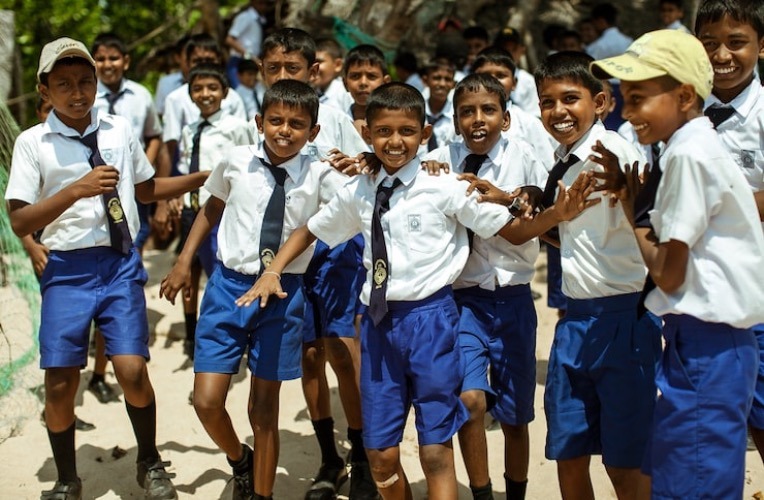
The Delhi government has blazoned a major action to ameliorate air quality in seminaries by installing air cleansers in classrooms, with the first phase targeting 10,000 classrooms across the capital. The move, verified by the Delhi education minister, is aimed at securing the health of scholars and staff, particularly in light of Delhi’s persistent air pollution challenges that pose serious health pitfalls, especially for children.
According to the minister, the design is part of a broader strategy to ensure safe and healthy literacy surroundings in Delhi’s seminaries. The installation of air cleansers will begin incontinently in the first phase, with the government prioritizing seminaries in areas that witness advanced situations of air pollution. The action underscores the administration’s commitment to addressing environmental health hazards in educational institutions and promoting pupil well-being.
Delhi, which constantly records some of the loftiest air pollution situations in India, faces severe smog occurrences during downtime months due to a combination of vehicular emissions, artificial pollution, crop burning in nearby countries, and climatic conditions. Children are particularly vulnerable to the adverse effects of poor air quality, including respiratory issues, reduced lung function, and lowered cognitive performance. In this environment, the deployment of air cleansers is anticipated to play a significant part in mollifying inner air pollution and furnishing a safer literacy terrain.
The Delhi Education Ministry stated that air cleansers would be installed in classrooms to ensure nonstop filtration of airborne adulterants, including particulate matter (PM 2.5 and PM 10), dust, allergens, and other dangerous patches. The systems will be equipped with advanced filtration technology, capable of landing fine adulterants and perfecting overall inner air quality. By reducing the attention of dangerous patches, the action aims to help short-term health goods similar to coughing, asthma exacerbation, and disinclinations, as well as long-term respiratory problems.
In addition to guarding physical health, the action is anticipated to enhance scholars’ academic performance. Exploration indicates that exposure to clean air significantly improves attention and learning issues among children. By creating a terrain with cleaner air, the Delhi government aims to support both the health and educational development of scholars.
The Education Minister stressed that the first phase of the design would cover 10,000 classrooms across government seminaries in Delhi, with posterior phases planned to expand the action to fresh seminaries grounded on effectiveness and resource vacuity. Priority will be given to classrooms with advanced pupil viscosity and those located in neighborhoods with elevated pollution situations.
The government has also outlined plans for the conservation and monitoring of the air cleansers. Regular checks will be conducted to ensure that pollutants are performing optimally and that air quality within classrooms meets safety norms. School staff will receive training on the operation of the bias and introductory conservation procedures, ensuring sustainable use over time.
To apply the action, the Delhi Education Department is uniting with specialized experts and suppliers to land high-quality air cleansers suited for large classroom settings. The government has emphasized that procurement will follow strict quality norms, noting that the biases are effective in filtering adulterants and safe for nonstop use around children.
Public health experts have lauded the action, calling it a visionary measure to cover children from the dangerous goods of air pollution. Numerous studies have shown that poor air quality in civic areas, especially in classrooms without proper ventilation, can negatively impact cognitive development and overall health. By introducing air cleansers, the government is taking a concrete step toward addressing this critical issue.
In addition to air cleansers, the government is reportedly exploring reciprocal measures to ameliorate inner air quality in seminaries. These may include adding green cover around seminaries, promoting natural ventilation where doable, and creating mindfulness among scholars and staff about practices to reduce inner pollution. Together, these measures are anticipated to produce a healthier and further conducive literacy terrain.
The action also aligns with Delhi’s broader environmental programs aimed at combating pollution and guarding public health. In recent times, the government has launched multiple juggernauts targeting vehicular emigrations, artificial pollution, and waste burning, while promoting mindfulness of environmental issues in seminaries. The installation of air cleansers represents a targeted, academy-specific intervention within this larger frame.
While the original focus is on government seminaries, there’s the possibility for the program to expand to private seminaries and other educational institutions in the future. The success of the first phase will probably inform further policy opinions, including budget allocations, technology selection, and strategies for spanning up the action.
The advertisement has been entered appreciatively by parents, preceptors, and pupil groups, who view the move as a necessary response to Delhi’s habitual air pollution problem. Numerous parents expressed relief that the government is prioritizing children’s health and furnishing measures that can cover scholars while they spend long hours in classrooms.
Overall, the installation of air cleansers in 10,000 classrooms marks a significant step toward creating healthier educational spaces in Delhi. By addressing inner air pollution proactively, the government isn’t only securing the health of scholars but also buttressing the significance of environmental interventions in public institutions. The program is anticipated to have long-term benefits, perfecting both the well-being and academic issues of scholars in the capital megacity.
As the first phase rolls out, the Delhi Education Ministry will nearly cover results, gather feedback from seminaries, and assess the effectiveness of the cleansers in perfecting classroom air quality. Future phases may incorporate assignments learned from this original rollout to optimize device selection, placement, and conservation procedures. The action represents a corner of trouble in combining public health objects with educational structure development, setting a precedent for analogous programs in other pollution-affected regions of India.