


Higher Education In India Set For Major Shift

Share

Higher education in India is at an interesting turning point. Over the next decade, the way students learn, the skills they pick up, and the kind of exposure they get outside the classroom will look quite different from what we’ve seen so far. Here’s a look at what this changing landscape means for students and institutions alike.
One of the biggest shifts is the growing importance of industry-linked learning. Students today don’t want theory alone; they want to work on real problems, use real tools, and understand how their subject actually applies once they step into a job. Many universities are now emphasising learning beyond the classroom through industrial visits, experiential learning, and partnerships with companies that give students access to real tools and labs. Building an academic model around these kinds of practical initiatives helps ensure programmes stay updated with what employers are actually looking for. The idea is simple: the closer the classroom gets to the workplace, the more confident a student feels stepping into their first job.
Another trend is the move toward multidisciplinary education. Students are no longer content with a single, narrow specialisation. They want the option to combine fields, technology with management, or pharmacy with business, and build a profile that’s broader and more flexible than what a single-stream degree used to offer. Universities that structure their programmes to allow this kind of cross-disciplinary exploration give students room to shape combinations that suit their own career goals, rather than boxing them into one path from day one.
Global exposure is a third factor that’s becoming increasingly important. International collaborations are opening up opportunities for exchange, exposure to different academic cultures, and cross-border learning, and students are increasingly expected to think and work beyond their immediate surroundings. Institutions that build these international connections early will find their students better prepared for a workforce that’s no longer confined by national boundaries.
There’s also growing value being placed on an entrepreneurial mindset. It’s no longer enough for students to simply be job-ready; many now want to build something of their own. Encouraging that kind of thinking early, through mentorship, incubation support, and exposure to founders and industry leaders, is becoming a key part of what higher education needs to offer going forward.
Education over the next decade cannot stay limited to degrees and marksheets. It has to prepare young people to think independently, adapt quickly, and find their own path, whether that’s a job, a business, or something they haven’t even imagined yet.
As the higher education sector moves through a decade of change, one belief is becoming increasingly clear: student success in the years ahead will depend less on rote learning and more on how well young people are equipped to adapt, connect, and grow.
Views expressed are personal
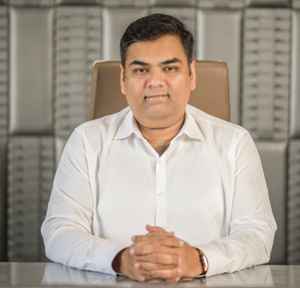
The author, Dr. Somnath P. Patil, is Pro-Chancellor of Dnyaan Prasad Global University (DPGU)