


RSB Group Pushes For A More Inclusive Manufacturing Workforce

Share
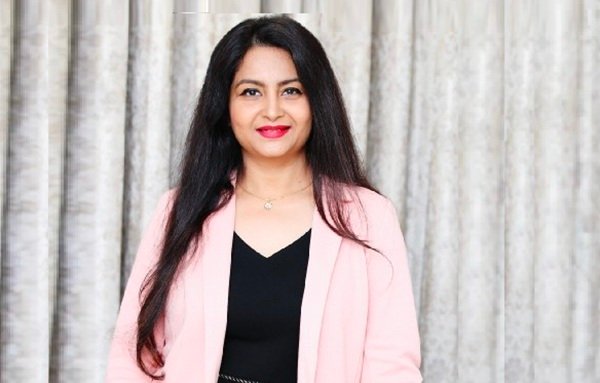
Nirmala Behera, Executive Director, HR and Branding at RSB Group, on why building an inclusive manufacturing workplace has never been about ticking a diversity box
Manufacturing has long carried a reputation as one of India’s most male-dominated industries – shop floors, heavy machinery, and shift schedules that were, for decades, designed around the assumption that the workforce would be men. At RSB Group, that assumption is being actively rewritten, and the person leading much of that change is Nirmala Behera, the company’s Executive Director of HR and Branding.
In a wide-ranging conversation, Behera lays out not just what RSB Group has built, but why – and the picture that emerges is less a checklist of HR policies than a philosophy about what makes an organisation strong in the first place.
It Started With a Belief, Not a Benchmark
Ask Behera when inclusion became a priority at RSB Group, and she is quick to push back on the framing. It was never about chasing a trend or hitting a target, she says – it came from a straightforward conviction that a strong organisation needs people with different perspectives and experiences at the table.
That conviction ran headlong into an industry norm. Manufacturing had traditionally been viewed as a man’s domain, but, according to her, she and her colleagues didn’t see any reason capable women should be denied the same career opportunities. As the company scaled, the business case sharpened too: better decision-making and innovation, she says, tend to follow diverse teams. Inclusion, in other words, stopped being just “the right thing to do” and became a strategic one – a business priority as much as a people priority.
The goal now, she says, is an environment where people feel respected, supported, and able to do their best work, regardless of gender or background.
Ek Pahal: From Programme to Movement
The centrepiece of RSB Group’s inclusion work is Ek Pahal, an initiative Behera describes as deeply personal to her. It grew out of a simple but persistent observation: women across the workforce had plenty of potential, but not always equal access to the opportunities, support systems, and confidence-building platforms needed to realise it.
What made Ek Pahal different from a typical corporate diversity programme, Behera explains, was recognising that women’s needs couldn’t be addressed through a single lens. One woman might need better access to healthcare. Another might need new skills or exposure to opportunities. A third might simply need someone to tell her she was ready to lead. That insight shaped Ek Pahal’s structure around four pillars: Health & Hygiene, Learning & Development, Safety, and Community Service.
The ambition was never just to run programmes – it was to build an ecosystem where women could learn, grow, contribute, and become agents of change in their own lives and communities. And by Behera’s account, that’s largely what has happened. Women who started out as programme beneficiaries are now leading activities themselves, mentoring others, and inspiring change around them – evidence, she says, that Ek Pahal has evolved from an initiative into something closer to a people-driven movement.
Behera is careful, though, about how she measures its success. As she stated, the real impact isn’t in attendance figures or the number of sessions run – it’s visible in something harder to quantify: the confidence of a woman who finds her voice, steps into a leadership role, or accomplishes something she once thought was out of reach. Those individual transformations, she said, are what keep the initiative meaningful and worth expanding.
Keeping Culture From Becoming an Afterthought
Growth is often where good intentions on diversity quietly erode – priorities shift, and inclusion becomes “a separate initiative” rather than a lived value. Behera insists RSB Group has worked to prevent exactly that by embedding inclusion into everyday decision-making rather than treating it as a standalone programme.
That starts at the top. Leaders at RSB are expected to build inclusive teams, welcome differing viewpoints, and make fair calls – not as an add-on to their job, but as part of it. Hiring, development, and promotion processes are continually reviewed to keep them transparent and equitable. And critically, Behera points to listening as a discipline in itself: regular conversations and employee feedback are what tell the organisation whether its culture is actually working, or just looks good on paper. Inclusion, in her words, is something you keep working at every day – never a box that gets checked once.
Well-Being, Learning, and Community: Not Separate From the Job, Part of It
A recurring theme in Behera’s thinking is refusing to silo HR functions that are usually treated as distinct line items – employee well-being, learning and development, community engagement. She argues they’re deeply interconnected: people simply perform better when they feel supported, have room to grow, and feel connected to something larger than their day-to-day tasks.
Each piece does different work. Well-being keeps employees healthy and engaged. Learning prepares them for changing technologies and future roles. Community engagement offers a sense of purpose that extends beyond the job itself. Brought together, Behera says, these elements build a workforce that is motivated, adaptable, and committed for the long haul – a dynamic that benefits the organisation just as much as the individual.
Building Careers, Not Just Filling Jobs
For women joining RSB Group, Behera wants the manufacturing sector itself to look different – not a stopgap job, but a viable long-term career. That means support tailored to different career stages: access to learning programmes, leadership development opportunities, and guidance from experienced managers, alongside deliberate cross-functional exposure designed to build confidence and broaden skills.
Mentorship, she says, is a particularly important lever – having someone who can share their own experience and offer guidance often makes a tangible difference in how far a woman’s career goes. Underneath all of it sits a simple commitment: that progression should be determined by capability and performance, not by anything else.
Why Women Actually Stay – Or Don’t
Perhaps the most candid insight in the conversation is Behera’s read on attrition. Her experience has taught her that women don’t typically leave organisations because they lack ability. They step back when the support systems around them aren’t strong enough to carry them through critical life and career transitions – maternity, caregiving, major life changes.
RSB Group’s response has centred on removing the false choice between professional growth and personal responsibility. Concrete policies – maternity support, flexible work arrangements where feasible, a safe and inclusive workplace, ongoing learning opportunities – form the foundation. But Behera is emphatic that policy alone isn’t the differentiator. What actually keeps women in the organisation and growing is culture: supportive managers, real opportunities for meaningful responsibility, and leaders who genuinely believe in their potential. Ek Pahal, she notes, reinforces this ecosystem by helping women build confidence, develop new skills, and support each other through different career stages.
Her benchmark for success isn’t simply a rising headcount of women in the organisation – it’s whether women feel valued, supported, and empowered to reach their full potential. Get that right, she says, and retention and growth follow on their own.
Moving Past the Numbers Game
Many organisations, Behera observes, measure diversity success purely through representation statistics. She’s skeptical that the numbers tell the whole story. The more revealing questions, in her view, are qualitative: Do employees feel respected and heard? Are they confident sharing ideas? Do they see equal opportunity in front of them? Are they comfortable being themselves at work?
RSB Group tracks employee feedback and engagement precisely because these signals reveal whether the culture is genuinely inclusive – or just performing inclusion for the numbers. The organisation’s ambition isn’t only to recruit diverse talent, Behera says, but to build a place people actively choose to stay and build a career in.
What Inclusion Looks Like on a Tuesday Afternoon
Pressed on what inclusion actually looks like day-to-day – beyond the policy documents – Behera points to behaviour, not paperwork. It shows up in whether people feel comfortable speaking up, whether different opinions are genuinely welcomed, and whether people are treated with respect regardless of role or background. It shows up in whether leaders are approachable and make decisions fairly. When employees trust that their ideas are valued and that they’ll be judged on their work rather than on stereotypes, she says, inclusion stops being a policy and becomes part of the culture itself.
The Road Ahead
Looking forward, Behera frames RSB Group’s ambitions around continuous evolution – investing in skills as manufacturing technology changes, creating more leadership opportunities for diverse talent, and deepening employees’ connection to the company’s values and purpose. Her underlying belief: a strong organisation isn’t built by technology and business growth alone, but by the people who make that growth possible.
Her Advice to Other Manufacturers
Asked what she’d tell other manufacturing organisations just starting this journey, Behera’s answer is refreshingly unpolished: start with intent, and stay consistent. Nobody gets everything right on day one – but the belief that inclusion matters has to be genuine from the start.
Her practical checklist is simple: listen to employees, create opportunities based on merit, and hold leaders accountable for building inclusive teams. Inclusion isn’t only a moral imperative, she stated – it makes organisations stronger, more innovative, and better prepared for the future. When people feel respected and valued, she said, they give their best – a truth that holds in manufacturing just as much as in any other industry.