

FORDA Condemns Rajkot Doctor Assault, Flags Lapses

Share
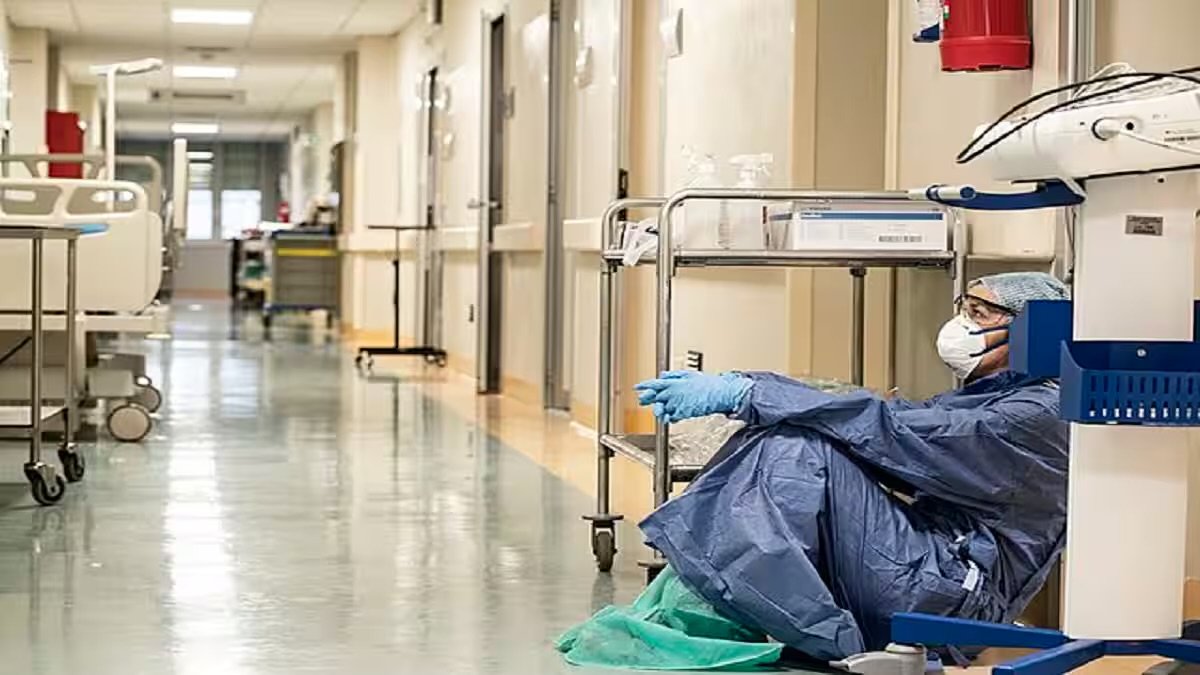
The Federation of Resident Croakers’ Associations (FORDA) has explosively condemned the assault of a resident croaker at a medical council in Rajkot, Gujarat, pressing ongoing enterprises about the safety and security of healthcare professionals in the state. The incident, which passed at a prominent government medical institution, has drawn wide attention from croakers.
associations, nonsupervisory bodies, and public representatives, egging on calls for immediate measures to ensure the protection of medical staff.
According to reports, the assaulted croaker, who was on duty at the sanitarium, was attacked by a group of individuals in circumstances that remain under disquisition. FORDA has expressed deep concern over the incident, calling it “inferior and intimidating,” and has demanded that the state government take nippy action to identify the perpetrators and help analogous circumstances in the future. The association emphasized that the safety of resident croakers and healthcare workers is pivotal not only for their particular well-being but also for the smooth functioning of healthcare institutions.
Resident croakers in Gujarat have increasingly raised enterprises about shoddy security arrangements in government hospitals. They argue that despite the high-pressure terrain and critical liabilities, hospitals frequently warrant a sufficient security labor force, surveillance systems, and protocols to handle exigency situations involving violence against staff. The recent assault in Rajkot has reignited these debates, with FORDA prompting authorities to address long-standing gaps in the sanitarium security structure.
In a statement issued by FORDA, the organization described the attack as “a serious breach of safety and trust” and demanded responsibility from sanitarium operation and government authorities. The statement underlined that resident croakers are frequently on the frontlines of patient care, working long hours under stressful conditions, and earn robust protection from any form of aggression. “Violence against medical professionals not only endangers individual croakers but also disrupts patient care and erodes public confidence in healthcare institutions,” the statement said.
FORDA has also stressed systemic issues in security operation at medical sodalities and hospitals across the state. The association noted that hospitals frequently calculate on a minimum security labor force, shy caller monitoring, and outdated surveillance systems, leaving staff vulnerable to assaults and importunity. These enterprises, they argue, need critical redressal, including the deployment of a trained security labor force, installation of ultramodern surveillance technology, and establishment of clear protocols for handling violent incidents.
The incident in Rajkot has touched off responses from medical bodies at the state and public levels. Several croaker associations have expressed solidarity with the assaulted occupant and called for immediate remedial measures. Numerous experts argue that violent attacks against medical professionals are characteristic of deeper issues, including patient dissatisfaction, communication gaps, and a shy sanitarium structure, which complicate pressures in high-pressure clinical surroundings.
Authorities in Gujarat have verified that an inquisition into the assault has been initiated. Police officers stated that security footage from the sanitarium is being reviewed and steps are being taken to identify and seize those responsible. The state government has assured medical staff that fresh security measures will be enforced in the coming weeks, including increased details, deployment of a security labor force at vulnerable points, and strengthening of sanitarium entry protocols.
The National Medical Commission (NMC) and other nonsupervisory bodies have also weighed in, reiterating the significance of securing healthcare professionals. Experts point out that attacks on workers not only compromise the safety of the staff but also have wider impacts for patient care. Fear of violence can lead to detainments in treatment, reduced amenability of croakers
to take on high-threat cases, and overall strain on sanitarium operations.
Resident croakers, including those in Rajkot and other corridors of Gujarat, have raised concerns that similar assaults are part of a broader trend of aggression against medical staff in India. They cite cases of verbal abuse, importunity, and physical violence in hospitals, particularly in high-stress departments similar to emergency drug, ferocious care units, and surgery. numerous croakers
stress that while professional challenges are essential to medical practice, no healthcare worker should have to face pitfalls or violence while performing their duties.
FORDA has called for a comprehensive review of sanitarium security programs, recommending the establishment of exigency response systems, rapid-fire grievance redressal mechanisms, and strict enforcement of laws against violence targeting the medical labor force. The association has prompted the government to ensure that every medical institution has a devoted security platoon and that incidents of aggression are recorded, delved into, and addressed instantly.
In addition to security measures, experts note that perfecting case-worker communication and managing prospects can help reduce pressures that sometimes escalate into violence. Hospitals are encouraged to apply systems for patient comforting, grievance operation, and conflict resolution to produce a safer and further transparent terrain.
The assault in Rajkot has also sparked debates about legal protections for healthcare professionals. Several states in India have legislated laws assessing strict penalties for attacks on workers and medical staff, but enforcement remains inconsistent. FORDA has stressed that similar legislation needs to be effectively enforced and accompanied by preventative measures to produce a safe working terrain for resident croakers.
Medical scholars and resident croakers
across Gujarat have expressed solidarity with the assaulted worker, pressing the need for collaborative action to ensure plant safety. Numerous people have called for mindfulness training, aggression-handling training, and enhanced security structures at hospitals to help analogous incidents.
The Rajkot incident underscores a larger challenge in India’s healthcare system: guarding medical professionals while maintaining accessible and effective case care. As hospitals grapple with high case loads, limited coffers, and critical extremities, icing the safety of croakers and staff becomes consummate. Stakeholders argue that a combination of robust security measures, clear legal fabrics, and visionary sanitarium operation is essential to help prevent violence and maintain the integrity of healthcare services.
FORDA has concluded its statement by prompting the Gujarat government and sanitarium authorities to act decisively, stressing that guarding resident croakers isn’t only a moral obligation but also essential for the overall functioning of medical institutions. The incident has reignited civil conversations about securing healthcare workers, and it’s anticipated to lead to stricter security protocols and renewed focus on the well-being of croakers and staff in hospitals across the state.
The incident in Rajkot serves as a memorial of the pitfalls faced by resident croakers and the critical need for comprehensive strategies to ensure their safety. With the combined efforts of sanitarium authorities, government agencies, and nonsupervisory bodies, it’s hoped that analogous assaults can be averted in the future, allowing medical professionals to concentrate on patient care without fear or interference.